
7 Key Things to Know Before Selling Damaged Home
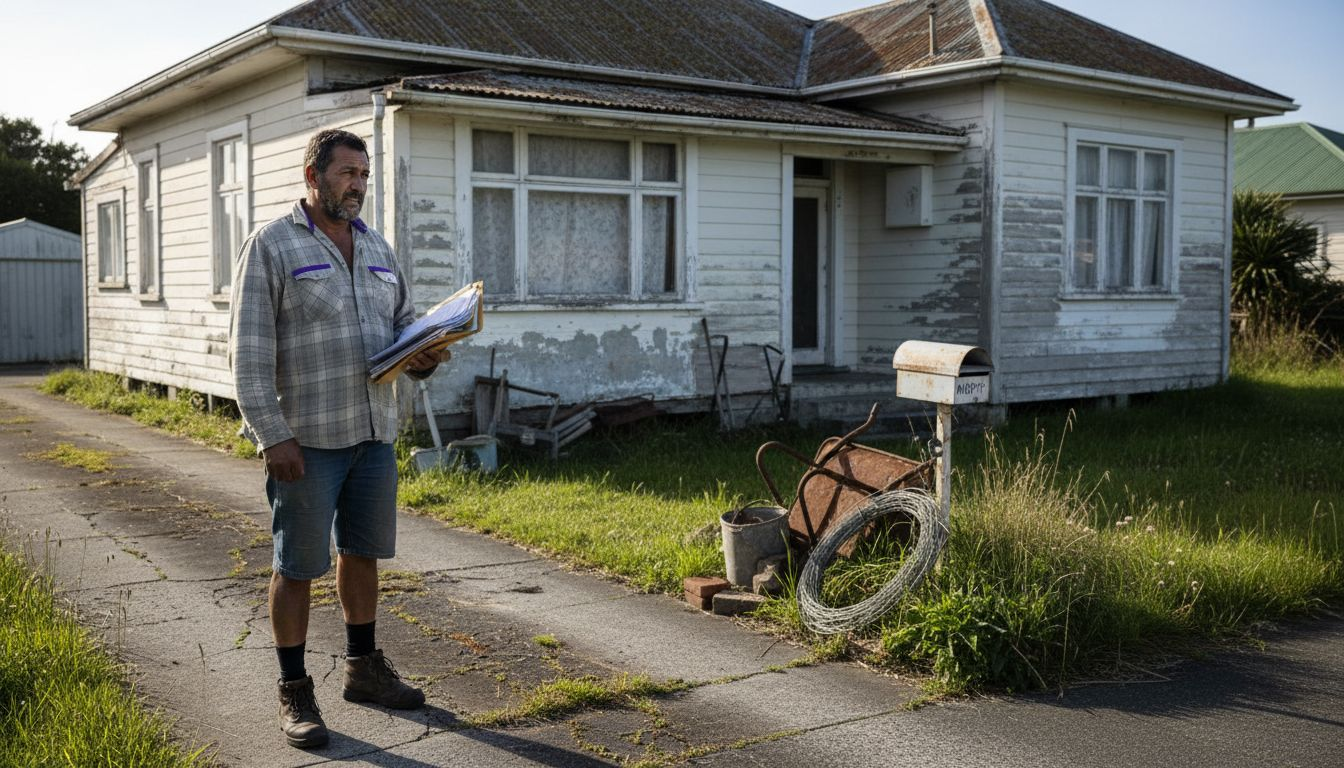
Facing urgent repairs or sudden financial pressure can leave New Zealand homeowners feeling overwhelmed, especially when selling fast becomes a priority. Nearly 65 percent of damaged homes in New Zealand sell below their full potential without expert guidance from both local and australian property professionals. If life changes mean you cannot wait for traditional sales, this guide breaks down practical steps to help you understand your damaged home’s true value, navigate repairs, stay legally compliant, and secure a stress-free sale—even under tough circumstances.
Table of Contents
- 1. Understand Your Home’s Current Value
- 2. Know What Repairs Are Needed
- 3. Consider Quick Sale Options
- 4. Be Aware Of Legal Requirements
- 5. Prepare Important Sale Documents
- 6. Disclose Damage To Buyers Honestly
- 7. Choose The Right Sale Timeline
Quick Summary
| Key Insight | Detailed Explanation |
|---|---|
| 1. Assess Property Value Accurately | Obtain professional valuations to understand how damage affects your home’s value before selling. |
| 2. Prioritise Necessary Repairs | Identify and document all repairs needed, focusing on professional assessments for major issues. |
| 3. Be Transparent with Buyers | Full disclosure of known property damage and repair history builds trust and reduces legal risks. |
| 4. Gather Essential Sale Documents | Compile all relevant documentation, like repair records and building consents, to facilitate a smoother sale. |
| 5. Prepare for Flexible Sale Timelines | Establish a realistic time frame considering property condition and potential buyer inspections; flexibility is key. |
1. Understand Your Home’s Current Value
Knowing your damaged property’s accurate market value is the critical first step before putting it on the market in New Zealand. Property damage significantly impacts valuation, making it essential to get a precise assessment that reflects your home’s true worth.
To determine your home’s current value, you’ll want to explore multiple valuation approaches. Property valuation tools specific to New Zealand can provide initial estimates by analysing recent sales data and local market trends. However, for damaged properties, these online tools might not capture the full picture.
Professional valuers offer a more comprehensive assessment. They physically inspect your property, considering both its current condition and potential repair costs. This approach gives you a realistic understanding of how damage affects your home’s marketability and potential sale price.
Multiple real estate agents can also provide market appraisals. By consulting several professionals, you’ll gain a balanced perspective on your property’s value. Each agent might highlight different aspects of damage and its impact on pricing, helping you make an informed decision.
Key factors that influence your damaged home’s value include the type and extent of damage, location, underlying property condition, and current local real estate market dynamics. Water damage, structural issues, or significant neglect can substantially reduce your property’s market value.
Pro tip: Before getting valuations, gather documentation about the property’s damage and any previous repair attempts to provide a comprehensive picture to valuers and potential buyers.
2. Know What Repairs Are Needed
Undertaking repairs on a damaged property requires strategic planning and expert guidance. Understanding the scope and legal requirements of necessary repairs is crucial before attempting to sell your home.
Identifying and documenting property damage involves more than a casual inspection. Licensed building practitioners must assess and carry out specific restricted repairs in New Zealand. This means not all repairs can be completed as a DIY project or by unlicensed contractors.
The repair assessment typically involves obtaining comprehensive professional reports from building engineers or structural experts. These reports will detail the extent of damage, recommend specific repair strategies, and estimate potential restoration costs. This documentation becomes critical when negotiating with potential buyers or determining whether to repair or sell the property as-is.
Some key considerations during the repair assessment include understanding which damages require building consent, identifying structural versus cosmetic issues, and evaluating the cost effectiveness of repairs. Not all damage necessitates complete renovation some minor repairs can significantly improve your property’s marketability.
Transparency is paramount when selling a damaged property. Buyers appreciate full disclosure about the property’s condition, repair history, and any ongoing maintenance requirements. Comprehensive documentation helps build trust and can potentially reduce negotiation complications.
Pro tip: Collect all repair documentation, professional assessments, and consent records before listing your property to demonstrate transparency and build buyer confidence.
3. Consider Quick Sale Options
Selling a damaged property demands strategic thinking and understanding alternative sale pathways. When traditional real estate methods seem challenging, exploring quick sale options becomes crucial for homeowners looking to move forward efficiently.
Cash property buyers offer a streamlined solution for properties with significant damage. These specialised investors purchase homes in their current condition, eliminating the need for costly repairs or time consuming renovations. Quick property sale strategies can provide homeowners with faster settlement times and reduced transaction complexities.
Different quick sale options exist for damaged properties. Some investors specialise in purchasing homes that require substantial repairs, understanding the property’s potential value beyond its current condition. This approach benefits sellers who lack the financial resources or time to undertake extensive renovation work.
Understanding market dynamics is essential when considering quick sale strategies. Factors like location, extent of damage, local property market conditions, and investor appetite will influence the sale price and speed of transaction. Professional property buyers often assess properties holistically, looking beyond surface level damage.
Sellers should prepare comprehensive documentation about the property’s condition to facilitate smooth negotiations. This includes repair history, structural assessment reports, and any known issues. Transparency helps potential buyers make informed decisions and can expedite the sale process.
Pro tip: Compare offers from multiple quick sale investors to ensure you receive a fair market value for your damaged property.
4. Be Aware of Legal Requirements
Selling a damaged property involves navigating complex legal terrain that demands careful attention and thorough understanding. Sellers must comprehend their obligations to ensure a transparent and legally compliant transaction.
Legal frameworks governing property sales in New Zealand include multiple legislative acts that outline seller responsibilities. The Property Law Act 2007, Land Transfer Act 2017, and Real Estate Agents Act 2008 establish critical guidelines for property transactions, particularly those involving damaged properties.
Full disclosure is paramount when selling a damaged home. This means revealing all known issues including structural damage, past repairs, insurance claims, and potential environmental risks. Transparency protects both the seller and buyer, reducing the likelihood of future legal disputes.
Consulting with a property lawyer becomes essential in navigating these legal complexities. Professional legal advice helps sellers understand their specific obligations, prepare necessary documentation, and mitigate potential risks associated with selling a damaged property.
Documentation plays a crucial role in meeting legal requirements. Sellers should compile comprehensive records including building inspection reports, repair histories, insurance documentation, and any relevant consent certificates. These documents provide evidence of the property’s condition and demonstrate the seller’s commitment to transparency.
Pro tip: Engage a specialised property lawyer early in the selling process to review your documentation and ensure complete legal compliance.
5. Prepare Important Sale Documents
Preparing comprehensive documentation is crucial when selling a damaged property. Your paperwork tells the story of your home and provides potential buyers with essential insights into its condition and history.
Sale and Purchase Agreements represent the cornerstone of your property transaction. This legal document must meticulously outline property details, including specific conditions related to existing damage, repair expectations, and potential contingencies that protect both seller and buyer.
Key documents you will need to compile include the certificate of title, Land Information Memorandum (LIM) report, building consent records, code compliance certificates, and comprehensive insurance documentation. These papers provide transparency about your property’s condition and demonstrate your commitment to an honest transaction.
For damaged properties, additional documentation becomes even more critical. Gather all repair records, professional assessment reports, and evidence of maintenance. This comprehensive approach helps potential buyers understand the property’s full history and any remediation efforts you have undertaken.
Organising these documents in advance can significantly streamline the sales process. Consider creating a detailed folder that walks potential buyers through your property’s story transparently and professionally. This approach builds trust and can help mitigate concerns about the property’s condition.
Pro tip: Digitise all property documents and create multiple backup copies to ensure you can quickly provide information when requested by potential buyers.
6. Disclose Damage to Buyers Honestly
Honest property disclosure is not just a legal requirement in New Zealand it is a fundamental aspect of ethical selling. Your transparency can significantly impact the sale of a damaged property and protect you from potential legal complications.
Real estate disclosure regulations mandate that sellers reveal all known defects and potential risks associated with their property. This means providing a comprehensive account of any damage, structural issues, or past repairs that could influence a buyer’s decision.
Disclosure goes beyond simply listing problems. You should provide detailed documentation including professional assessment reports, repair histories, and any relevant insurance claims. This approach demonstrates your commitment to transparency and helps potential buyers understand the full context of your property’s condition.
Comprehensive disclosure protects you legally by reducing the likelihood of future disputes. Buyers appreciate sellers who are upfront about property challenges, as it builds trust and shows respect for the transaction process. Attempting to hide or minimise damage can lead to legal challenges and potential sale cancellation.
When disclosing damage, be specific and objective. Use professional reports to support your statements and provide context about any repairs or remediation efforts. Include information about the extent of damage, steps taken to address issues, and any ongoing maintenance requirements.
Pro tip: Compile a detailed property disclosure statement that includes all known issues, supporting documentation, and a clear explanation of any repairs or treatments undertaken.
7. Choose the Right Sale Timeline
Selecting the optimal sale timeline for a damaged property requires strategic planning and realistic expectations. Your sale timeline can significantly impact your property’s marketability and final sale price.
Property sale timelines in New Zealand typically range between 38 to 50 days under normal market conditions. However, damaged properties often require extended periods due to additional buyer scrutiny and potential inspection complexities.
Consider your specific property circumstances when establishing a sale timeline. Factors such as the extent of damage, required repairs, market conditions, and your personal financial needs will influence how quickly you can complete the sale. Some damaged properties might require several weeks of preparation before listing, including professional assessments, repair work, and documentation gathering.
Flexibility becomes crucial when selling a damaged home. Potential buyers may request additional time for comprehensive inspections or negotiations regarding repair responsibilities. Building buffer time into your sale timeline allows for unexpected challenges and demonstrates your commitment to a transparent transaction.
Communicating realistic expectations with potential buyers helps manage their perceptions. Be upfront about your property’s condition and potential timeline complexities. Some buyers might be willing to work with you if they understand the full context of your sale.
Pro tip: Develop a flexible sale strategy with multiple potential timelines, allowing you to adapt to different buyer scenarios and market conditions.
Below is a comprehensive table summarising the strategic steps and considerations outlined in the article for selling a damaged property in New Zealand.
| Aspect | Details | Key Considerations |
|---|---|---|
| Property Valuation | Obtain accurate market value estimates, including professional appraisals. | Consider damage extent, location, and market trends. |
| Repair Assessment | Identify necessary repairs through professional evaluations. | Address structural versus cosmetic issues effectively. |
| Quick Sale Options | Explore strategies like dealing with cash buyers and investors. | Ensure transparency and provide comprehensive documentation. |
| Legal Requirements | Understand legal obligations for selling damaged property. | Consult a property lawyer for compliance matters. |
| Sale Documentation | Prepare detailed records and sale agreements. | Include all significant reports and repair histories. |
| Honest Disclosure | Inform buyers about all known property damage and history. | Build trust by offering detailed disclosure statements. |
| Sale Timeline | Strategically plan the property sale schedule. | Communicate realistic timelines to potential buyers. |
Sell Your Damaged Home Quickly Without the Hassle
Selling a damaged property in New Zealand can feel overwhelming with all the required repairs, legal disclosures, and lengthy timelines. If you are facing difficulty navigating valuation, repairs, or legal obligations, you are not alone. Many homeowners want a fast and transparent way to move forward without costly renovations or complicated real estate processes. Whether you are worried about repair costs or the stress of full disclosure, there is a simpler solution designed just for you.
easySale.co.nz specialises in buying homes in any condition right across New Zealand. Our streamlined approach means you can submit your property details, receive a no-obligation cash offer, and settle on your preferred timeline. No agents, no commissions and no waiting. We understand the urgency behind quick sales especially when your home has damage that might slow down traditional methods.
Explore how easy it can be to sell your property and see why many Kiwis trust us for a fast, fair sale. If your damaged home needs a quick sale with full transparency but minimal fuss get in touch today.
Discover more about quick sale options and take control of your property sale now.

Frequently Asked Questions
How can I determine the current value of my damaged home?
Knowing your damaged home’s current value requires a precise assessment that considers the extent of damage. Hire a professional valuer who can provide a comprehensive evaluation, which can take a few days to arrange. Collect documentation about your property’s damage to support this assessment.
What types of repairs should I consider before selling my damaged property?
Focus on repairs that improve marketability without incurring exorbitant costs. Identify critical issues from professional assessments, and prioritise structural repairs over cosmetic fixes to enhance buyer appeal. Minor repairs can increase your sale price significantly, often by 10-15%.
What documents do I need to prepare for selling a damaged home?
Prepare comprehensive documentation including the Sale and Purchase Agreement, building consent records, and repair histories. Collect and organise these documents in advance to streamline the sales process, ensuring potential buyers understand your property’s condition.
What legal obligations do I have when selling a damaged home?
You must fully disclose all known defects and past repairs to potential buyers to comply with legal requirements. Engage a property lawyer early in the process to help ensure that all necessary documentation is complete and to mitigate legal risks.
How can I manage buyer expectations with a damaged property?
Communicate openly about your property’s condition and any required repairs to manage buyer expectations effectively. Set realistic timelines for the sale process, allowing for potential buyer inspections or negotiations that may arise due to the property’s condition.
Recommended
