
What is an unconditional offer? Fast NZ property sales explained
TL;DR:Unconditional offers are legally binding immediately, with no conditions attached, ensuring faster sales.They are ideal for cash buyers, investors, or urgent situations, reducing typical waiting times to days or weeks.Sellers should prepare legal documents and consult a lawyer beforehand to avoid risks and facilitate quick settlement.
Most homeowners assume selling a house means months of open homes, nervous waiting, and deals falling through at the last minute. That assumption is worth questioning. An unconditional offer works differently — it becomes legally binding the moment it’s accepted, with no conditions attached. No waiting on finance approval. No building inspection clauses. No drawn-out negotiations. For Kiwi homeowners facing urgent life changes, financial pressure, or a property that needs a fast result, understanding how unconditional offers work could save you significant time, stress, and money.
Table of Contents
- Understanding unconditional offers in New Zealand
- Conditional vs unconditional offers: Key differences
- How fast is an unconditional offer sale?
- Step-by-step: Selling your property with an unconditional offer
- Legal essentials for sellers considering unconditional offers
- Why traditional sales aren’t always worth the wait
- Get a fair, fast, unconditional offer today
- Frequently asked questions
Key Takeaways
| Point | Details |
|---|---|
| Immediate certainty | Unconditional offers legally lock in your sale, removing uncertainty and waiting periods. |
| Faster settlements | You can settle and move on within a week instead of months with traditional sales. |
| Fewer failed deals | Buyers can’t change their mind or withdraw for common reasons, making completion far more reliable. |
| Suits urgent needs | Ideal for homeowners needing quick solutions due to life changes, finances, or tricky property issues. |
Understanding unconditional offers in New Zealand
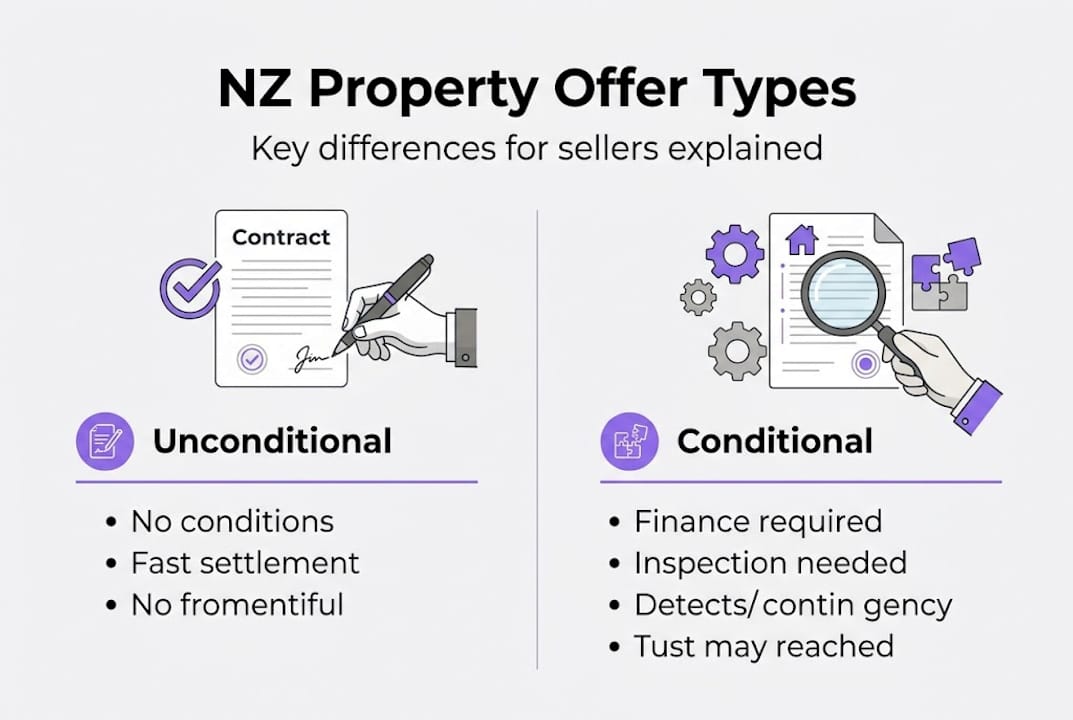
In the New Zealand property market, an offer to purchase a property can come in two broad forms: conditional or unconditional. An unconditional offer is straightforward — it contains no conditions that must be satisfied before the sale proceeds. The moment both parties sign, the deal is done.
As confirmed by NZ property experts, an unconditional offer is binding immediately with no attached conditions. This is a critical distinction. In a traditional conditional sale, the buyer might need to confirm their bank will lend them money, get a building report, or complete due diligence before committing. If any condition isn’t met, the buyer can walk away. With an unconditional offer, that escape route doesn’t exist.
This is why unconditional offers are especially common in specific situations:
- Cash buyers who don’t need finance approval from a bank
- Property investors who know the market and are confident in their assessment
- Buyers at auction, where all offers made on the day are unconditional by default
- Direct cash buying services like easySale.co.nz, which purchase homes without the typical conditions attached
For sellers, the binding nature of an unconditional offer is actually a significant advantage. You know the sale is going ahead. There’s no risk of the buyer pulling out because their mortgage fell through or the inspector flagged a leaky roof.
Key takeaway: When a buyer makes an unconditional offer and you accept it, both parties are legally committed. The only way to exit is through mutual agreement or a serious legal breach.
It helps to understand the full range of types of property offers available in New Zealand before deciding which suits your situation. The unconditional route isn’t right for every seller, but for those who need speed and certainty, it stands apart from any other option.
Conditional vs unconditional offers: Key differences
With the basics covered, it’s important to see exactly how unconditional offers stack up against conditional ones. The table below summarises the core differences:
| Feature | Conditional offer | Unconditional offer |
|---|---|---|
| Legally binding at signing? | No, conditions must be met first | Yes, immediately |
| Buyer can withdraw? | Yes, if conditions aren’t met | No, without major legal risk |
| Typical timeframe | 2 to 6+ weeks | Days to 1-2 weeks |
| Finance clause required? | Usually yes | No |
| Building inspection clause? | Common | Not required |
| Certainty for seller | Lower | High |
Common conditions attached to regular conditional offers include:
- Finance condition — the buyer needs written confirmation their bank will approve their mortgage
- Building inspection condition — a registered inspector must check the property and the buyer must be satisfied with the result
- Due diligence condition — a broad condition allowing the buyer to investigate the property for any reason
- LIM report condition — the buyer reviews the Land Information Memorandum from the local council
- Sale of existing property condition — the buyer must sell their own home before they can proceed
Unconditional offers bypass finance and inspection conditions entirely. For sellers, this means the process is leaner and faster, but it also means you need to be ready to proceed once the offer is accepted. There’s no cooling-off period in New Zealand residential property law for unconditional agreements.

The right offer type depends on your circumstances. If you’re not in a hurry and want to attract the widest pool of buyers, conditional offers are standard. But if you’re under financial pressure, going through a separation, or dealing with a property you need to move quickly, exploring the NZ property sale process for unconditional routes makes a lot of sense.
How fast is an unconditional offer sale?
Seeing the main differences, the next question is just how much time and stress you can save by going unconditional. The short answer is: considerably.
According to fast sale research, offers are often made within 24-48 hours, with settlements as quick as 7 days. Traditional sales can take anywhere from 45 to 90 days — or longer if deals fall through and you have to start again.
| Sale method | Time to offer | Time to settlement |
|---|---|---|
| Traditional agent sale | 2 to 8 weeks | 30 to 90 days |
| Auction (unconditional) | Day of auction | 2 to 4 weeks |
| Direct cash buyer | 24 to 48 hours | 7 to 14 days |
Speed matters enormously when you’re dealing with urgent circumstances. Whether you’re facing mortgage arrears, a job relocation, a deceased estate, or a relationship breakdown, waiting three months for a sale to settle can cause serious financial and emotional strain. Fast sale timelines through unconditional offers remove that pressure.
Common reasons sellers choose unconditional routes include:
- Avoiding mortgage default or repossession
- Settling an estate quickly after a death in the family
- Relocating for work with a set start date
- Resolving a separation or divorce cleanly
- Offloading a damaged or problematic property without costly repairs
Pro Tip: Before accepting any unconditional offer, make sure your legal documents are in order. Have your title, rates notices, and any tenancy agreements ready. This preparation means settlement can proceed without delays once you say yes. A guide to quick sales can walk you through exactly what to organise in advance.
Step-by-step: Selling your property with an unconditional offer
If you’re considering this route, you’ll want to know exactly what the process looks like on the ground.
- Submit your property details — Share basic information about your property with a direct cash buyer or property buying service. This includes the address, property type, approximate size, and any known issues.
- Receive your offer — Most reputable direct buyers will provide a no-obligation cash offer within 24 to 48 hours. This offer is unconditional on their side, meaning they won’t pull out for finance or inspection reasons.
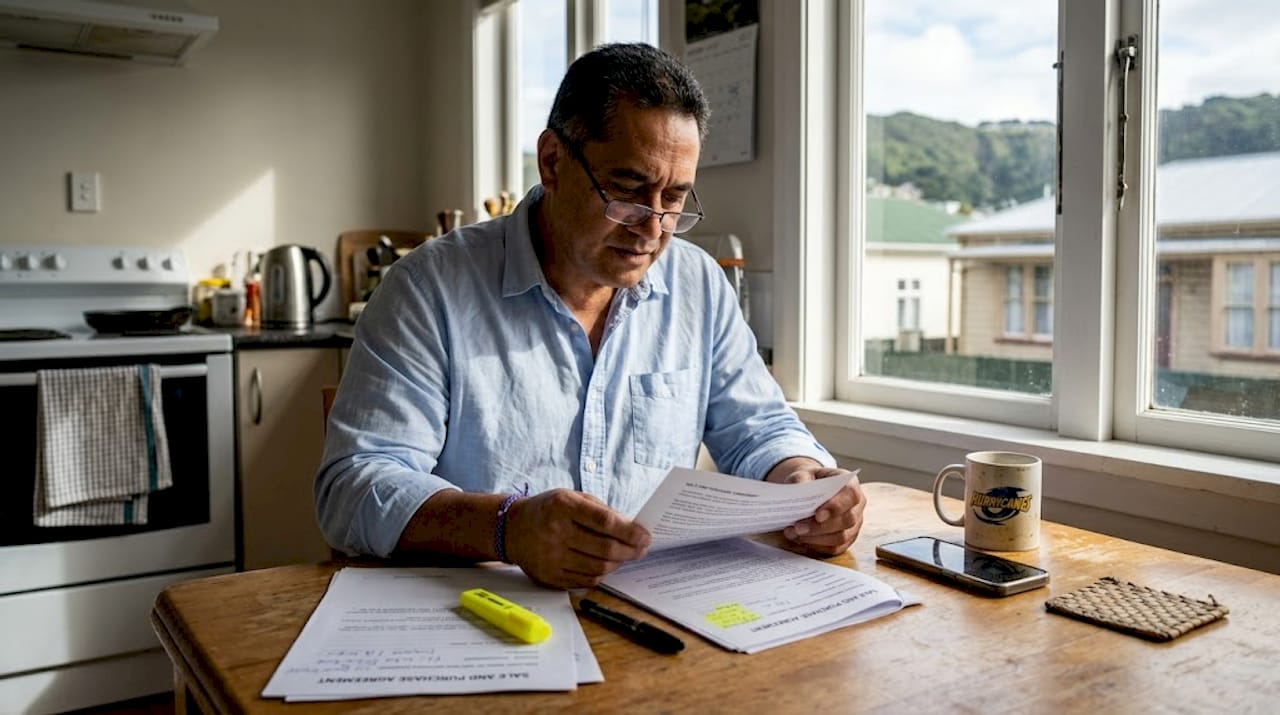
- Review with your solicitor — Before signing anything, have your property lawyer review the sale and purchase agreement. This step is critical and should never be skipped.
- Accept and sign — Once you’re happy, both parties sign the agreement. At this point, the sale is legally binding and unconditional offers streamline sales significantly, reducing the risk of deals falling over.
- Prepare for settlement — Your solicitor manages the transfer of title and funds. Settlement can happen in as little as 7 days or on a date that suits you.
Compared to selling through an agent or at auction, this process involves far less back-and-forth. There are no open homes to prepare for, no marketing campaigns to wait on, and no drawn-out conditional periods.
Pro Tip: Work with reputable direct cash buyers who are transparent about their offer process. Check whether they purchase properties in any condition and whether they handle as-is property sales without requiring you to make repairs first. Also ask for a clear explanation of how their cash offers work so there are no surprises.
Legal essentials for sellers considering unconditional offers
Before you commit to anything, understanding your legal obligations is crucial.
Once you sign an unconditional sale and purchase agreement, both parties are legally bound immediately. There is no conditional period to change your mind. Backing out as a seller after signing an unconditional agreement can result in the buyer suing for specific performance, meaning a court can compel you to complete the sale.
Here are the key legal points every seller should know:
- Sale and purchase agreement — This is the primary legal document. It must clearly state the purchase price, settlement date, deposit amount, and any chattels (items) included in the sale.
- Title search — The buyer’s solicitor will check that the title is clear of any encumbrances, caveats, or mortgages that could complicate the transfer.
- Disclosure obligations — In New Zealand, sellers must not actively mislead buyers, though there is no general duty to volunteer all defects. That said, acting in good faith protects you legally.
- Solicitor involvement — Always have a property lawyer review the agreement before signing. They can identify any clauses that may disadvantage you.
- Deposit payment — In most sales, the buyer pays a deposit (typically 5 to 10% of the purchase price) upon acceptance. This is held in trust until settlement.
- Settlement day — On the agreed date, the balance of the purchase price is transferred and the title moves to the buyer. Your solicitor coordinates this with the buyer’s solicitor.
Reviewing legal tips for NZ sellers before you sign anything is a smart and practical step that costs little time but can save significant stress.
Why traditional sales aren’t always worth the wait
With the facts laid out, here’s a reality check from those who’ve been on both sides of the deal.
Many sellers hold firmly to the belief that a longer, conditional sale process means better protection and a higher price. In practice, that isn’t always true. Conditional offers regularly fall over. A buyer gets declined by their bank at the last minute. An inspection report spooks them. Suddenly, you’re starting again — weeks behind where you were, with the same property sitting on the market and neighbours wondering why it hasn’t sold.
We’ve seen sellers spend three months on a conditional sale, only to accept a price similar to what a direct cash buyer offered on day one. The cost of waiting isn’t always obvious upfront, but it shows up in ongoing mortgage payments, rates, insurance, and the very real toll of uncertainty.
That said, unconditional offers aren’t for everyone. If you’re in a strong position, not under time pressure, and the market in your area is competitive, a traditional campaign might yield a higher price. The point is to evaluate your situation honestly rather than defaulting to the traditional route simply because it feels familiar. Speed and certainty have real value, and for many sellers, that value outweighs the wait.
Get a fair, fast, unconditional offer today
If you’re ready to explore your fastest path to a guaranteed sale, here’s your next step.
At easySale.co.nz, we work with homeowners across New Zealand who need a fast, fair, and stress-free result. Whether you’re dealing with financial pressure, a damaged property, or simply don’t want the hassle of agents and open homes, we can help.
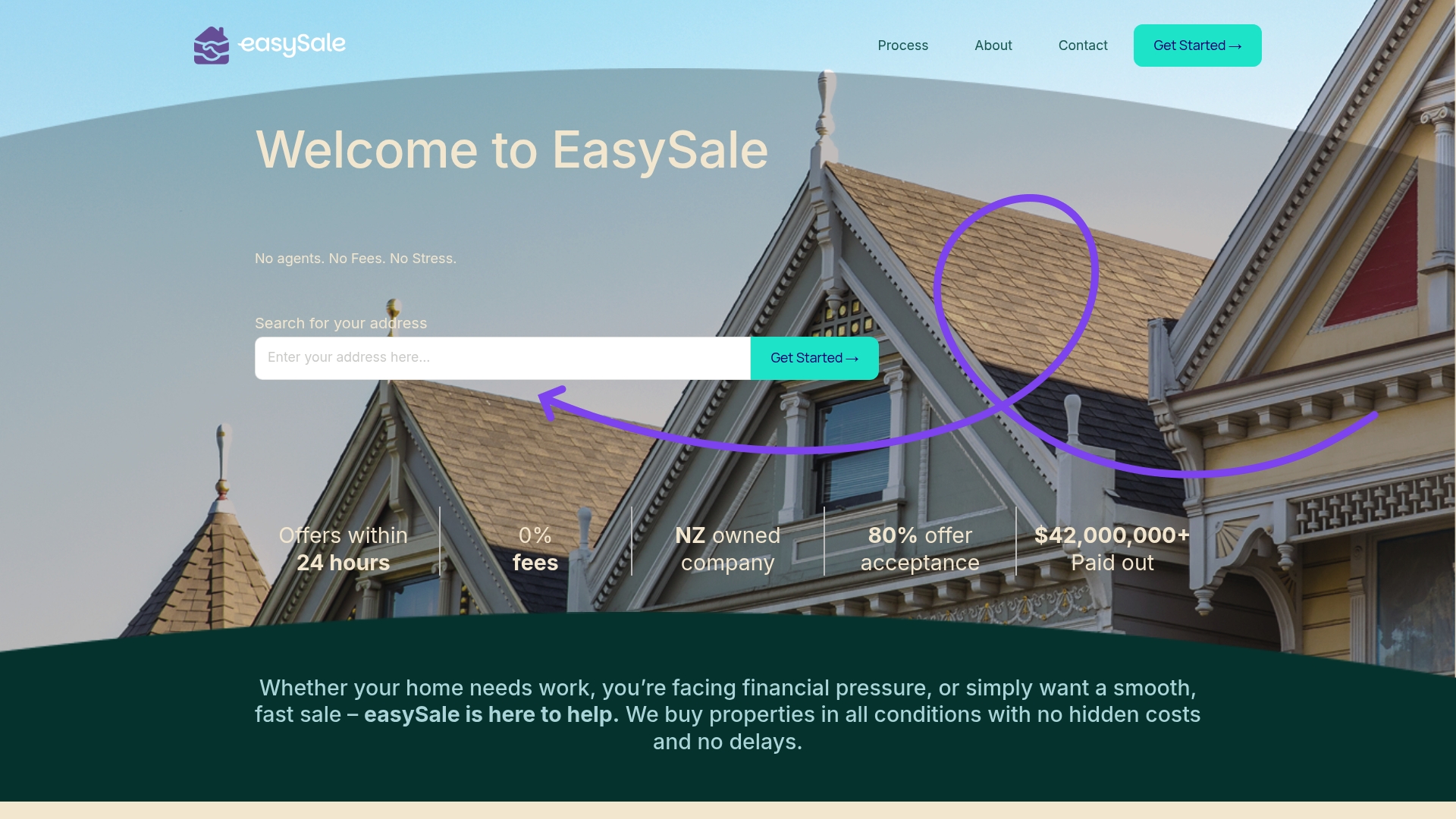
We provide no-obligation cash offers within 24 hours, with no commissions, no repairs required, and settlement on a timeline that works for you. You can sell privately for cash without the back-and-forth of a traditional sale. Submit your property details today and find out what your home is worth, with absolutely no pressure to accept.
Frequently asked questions
Is an unconditional offer really safe for home sellers?
An unconditional offer legally commits the buyer to purchase, reducing the chance of late withdrawal and often making the process safer for motivated sellers who need certainty.
How quickly can I sell my house with an unconditional offer?
Unconditional sales can close in as little as 7 days, with most offers made within 24 to 48 hours of submitting your property details.
What conditions do not apply in an unconditional offer?
Unconditional offers skip checks like finance approval, building inspections, or due diligence, with no conditions attached making them binding immediately upon acceptance.
Do I need a lawyer before accepting an unconditional offer?
It’s highly recommended to consult a property lawyer before signing, as the agreement becomes immediately binding and cannot easily be reversed by either party.
Can I negotiate price in an unconditional offer?
Yes, you can negotiate the sale price even in an unconditional offer, provided both parties agree on the terms before signing the sale and purchase agreement.
Recommended
