
Solve property sale hurdles: 5 key challenges for NZ homeowners

TL;DR:Properly pricing and staging the property are key to avoiding prolonged market time.Legal compliance issues can cause delays; working with direct buyers simplifies this process.Fast cash buyers offer a reliable way to sell quickly, especially under financial or legal pressure.
Over 30% of NZ home sales encounter significant obstacles before settlement, whether due to pricing disputes, property condition, or legal complications. If you are facing financial difficulty, a sudden life change, or simply need to move fast, these hurdles can feel overwhelming. The good news is that each challenge has a practical solution. This article walks you through five of the most common property sale obstacles in New Zealand and gives you clear, actionable steps to overcome them. Whether you are considering a private sale, a cash buyer, or another route entirely, understanding these challenges upfront puts you in a far stronger position.
Table of Contents
- Overpricing and emotional attachment
- Poor presentation and property condition
- Legal and compliance obstacles
- Financial distress and urgent sales
- Risks of property flippers versus direct cash buyers
- What typical advice misses: A real-world NZ homeowner’s perspective
- Connect with fast, fair sale solutions for NZ homeowners
- Frequently asked questions
Key Takeaways
| Point | Details |
|---|---|
| Price wisely | Setting a realistic price prevents delays and attracts more buyers quickly. |
| Fix and present | Simple repairs and good presentation can significantly lift buyer interest and perceived value. |
| Navigate legal hurdles | Managing compliance and paperwork is essential to avoid lost deals or disputes. |
| Know urgent sale options | If under financial stress, private and cash buyer routes can offer faster, safer settlement. |
| Choose buyers carefully | Unlicensed flippers can introduce risks, while direct cash buyers offer clear, protected pathways. |
Overpricing and emotional attachment
Price is the single biggest reason properties fail to sell. Many homeowners set their asking price based on what they feel their home is worth rather than what the market will actually pay. It is completely natural. Your home holds memories, years of effort, and personal significance. But buyers do not pay for sentiment, they pay for comparable value.
Online property estimates add to the problem. Automated valuation tools can vary by tens of thousands of dollars, and sellers often anchor to the highest figure they find. The result is a listing that sits on the market for weeks or months, collecting price reduction after price reduction. Overpricing leads directly to low buyer interest and a property that lingers unsold.
Here is what you can do to set a realistic price:
- Review recent comparable sales in your suburb from the last three to six months
- Get an independent registered valuation rather than relying on automated tools
- Factor in your property’s actual condition, not its potential after renovations
- Talk to more than one agent or buyer to understand real market appetite
Emotional attachment also affects negotiations. Sellers who are too personally invested often reject reasonable offers, demand inflexible settlement dates, or stall at the last moment. Identifying this tendency early helps you stay objective.
“Pricing your property correctly from the start shortens time on market and reduces the stress of drawn-out negotiations.”
Pro Tip: If you want to avoid the entire pricing guessing game, review tips for a hassle-free sale or explore why some homeowners choose to avoid real estate agents altogether for a simpler process.
Poor presentation and property condition
While pricing is critical, presentation can make or break buyer interest almost instantly. Buyers form a first impression within seconds of walking through the door or viewing photos online. Clutter, worn surfaces, and unaddressed repairs signal neglect and reduce the perceived value of your home, even if the underlying structure is sound.
Common presentation mistakes that cost sellers money include:
- Leaving personal clutter and excess furniture in place during photography
- Ignoring minor repairs like dripping taps, cracked tiles, or peeling paint
- Skipping professional cleaning before open homes
- Poor lighting in photos and during inspections
- Overgrown gardens or neglected exterior areas
Poor property presentation and unresolved condition issues create negative first impressions and reduce perceived value, making buyers either walk away or submit lowball offers.
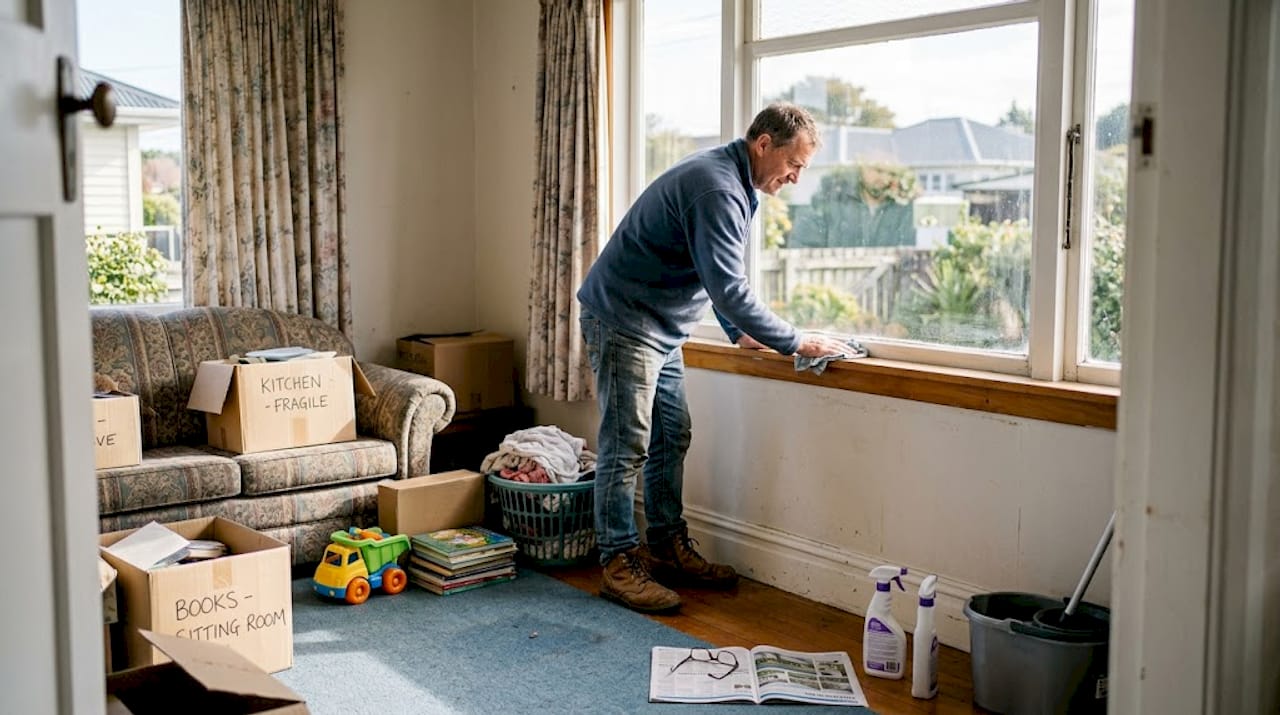
The good news is that small, affordable improvements deliver outsized results. A professional clean, fresh neutral paint in main living areas, and tidy landscaping can shift buyer perception significantly. These fixes rarely cost more than a few hundred to a couple of thousand dollars yet can add far more to your final sale price.
Pro Tip: If your property has significant damage or needs extensive repairs you cannot afford, you do not have to fix everything before selling. Understanding the full NZ property sale process can help you assess your options, including selling damaged houses as-is to a direct cash buyer who will not require repairs or staging.
Quick wins for presentation:
| Action | Estimated cost | Impact |
|---|---|---|
| Professional clean | $200-$500 | High |
| Fresh paint (key rooms) | $500-$1,500 | High |
| Garden tidy | $150-$400 | Medium |
| Minor repairs (taps, tiles) | $200-$600 | Medium |
Legal and compliance obstacles
Even with good price and presentation, legal missteps can put the brakes on your sale. New Zealand property transactions involve a specific set of legal requirements, and missing any one of them can cause delays, failed settlements, or costly disputes.
The key compliance steps you need to manage include:
- LIM report (Land Information Memorandum): Ordered from your local council, this confirms consents, zoning, hazards, and rates. Buyers almost always request one.
- Property disclosures: You are legally required to disclose known defects, weathertightness issues, and any work done without consent.
- Fair Trading Act obligations: You must not mislead buyers about your property’s condition or history.
- Title searches: Ensure there are no encumbrances, caveats, or easements that could complicate settlement.
Legal and compliance obstacles including LIM reports, disclosures, and Fair Trading Act requirements can cause delays, failed settlements, or legal disputes if not managed correctly.
“Incomplete or inaccurate disclosures are one of the most common reasons property deals fall through at the last minute.”
Direct cash buyer sales simplify this significantly. They typically use shorter, straightforward contracts and do not require the same level of compliance back-and-forth as traditional transactions. If legal complexity is a concern, reviewing legal considerations in NZ sales gives you a solid grounding, while no commission sales explain how direct sales reduce both costs and paperwork.
| Compliance step | Traditional sale | Direct cash buyer sale |
|---|---|---|
| LIM report required | Usually yes | Often not required |
| Formal disclosure | Mandatory | Simplified |
| Building inspection | Buyer requested | Often waived |
| Settlement timeline | 30-90 days typical | 7-21 days possible |
Financial distress and urgent sales
Legal issues aside, financial stress often drives a need for speed. Rising interest rates across 2024 and 2025 pushed many New Zealand homeowners into mortgage stress, a situation where repayments consume too large a share of household income. When repayments become unmanageable, selling fast is not just preferable, it is necessary.
Mortgagee sales increased from 6 in Q1 to 28 in Q3 in a recent year, reflecting the real impact of financial pressure, though figures remain low historically. Still, the trend signals that more homeowners are reaching a breaking point before finding a better solution.
| Quarter | Mortgagee sales (NZ) |
|---|---|
| Q1 | 6 |
| Q2 | 14 |
| Q3 | 28 |
If you are under financial pressure, your options include:
- Private sale: More control, but takes time
- Real estate agent sale: Standard process, typically 30-90 days plus commission
- Direct cash buyer: Fastest option, often settled in 7-21 days with no fees
- Property flipper: Risky, covered in the next section
The private sale process suits some homeowners well, but if your timeline is tight, speed must outweigh maximum price. Understanding industry terms in NZ property sales like mortgagee sale, settlement date, and unconditional contract will help you make faster, more confident decisions.
Pro Tip: Do not wait until you miss repayments to explore fast sale options. The earlier you act, the more choices you have and the more control you keep over the outcome.
Risks of property flippers versus direct cash buyers
With high urgency, knowing who you sell to is critical. Not all fast buyers operate the same way, and the difference between a property flipper and a direct cash buyer can significantly affect your outcome.
Property flippers typically buy at a deep discount, then on-sell quickly at a substantial markup. Unlicensed flippers tie up contracts and on-sell at markups exceeding $100,000, often without the protections that licensed buyer services must provide.
Risks of dealing with property flippers:
- Contracts may include assignment clauses allowing them to on-sell before settlement
- You may lose control of who ultimately purchases your property
- Offers can seem attractive but come with hidden conditions
- Limited recourse if the deal changes or falls through
“Transparency matters. A legitimate direct cash buyer will give you a clear, written offer with no hidden clauses and a settlement date that suits your timeline.”
Direct cash buyers, by contrast, purchase the property themselves. There is no on-selling, no markup chain, and no reassignment of your contract. The role of national property buyers in the NZ market is specifically to provide this kind of straightforward, reliable transaction.
| Feature | Property flipper | Direct cash buyer |
|---|---|---|
| Buys property directly | Sometimes no | Yes |
| Contract assignment risk | High | None |
| Transparency of offer | Variable | Clear and written |
| Settlement speed | Variable | 7-21 days |
| Buyer protections | Low | Standard |
What typical advice misses: A real-world NZ homeowner’s perspective
Most guides on selling property focus on staging tips and agent selection. What they rarely address is the emotional weight of the process, and how that weight causes real, practical mistakes.
Emotional attachment to a property is not a weakness. It is human. But it consistently leads sellers to overprice, delay decisions, and reject offers that are actually fair. Acknowledging this upfront makes you a better, faster decision-maker.
Legal risks are also underestimated. Even experienced sellers are caught out by disclosure requirements or incomplete LIM reports. The sell without commission pathway removes many of these friction points by streamlining the contract and reducing the number of parties involved.
The biggest gap in conventional advice, though, is the failure to clearly distinguish between cash buyers and flippers. Many homeowners in urgent situations accept the first fast offer they receive without understanding who they are actually selling to or whether the contract protects them. Taking an extra day to verify a buyer’s legitimacy and transparency is always worth it.
Connect with fast, fair sale solutions for NZ homeowners
If any of these five challenges sound familiar, you are not alone, and you do not have to navigate them without support.

At easySale.co.nz, we work directly with New Zealand homeowners who need a straightforward, fast, and fair sale. Whether you are looking to sell your house privately, navigating a retirement or downsizing situation, or need to sell a damaged house without costly repairs, we provide a no-obligation cash offer and a settlement timeline that works for you. No agents, no commissions, no drawn-out negotiations. Just a clear offer and a process you can rely on.
Frequently asked questions
What is the fastest way to sell a house in New Zealand?
Cash buyers offer fast settlement in as little as 7 to 21 days, purchasing properties as-is without requiring agents or lengthy compliance processes. This makes direct cash buyer sales the fastest reliable option for most homeowners.
How can I avoid legal issues when selling my property?
Ensure all disclosures, LIM reports, and compliance steps are managed correctly before listing. Alternatively, legal obstacles can be reduced significantly by working with a specialist cash buyer who uses simplified contracts and handles much of the paperwork directly.
What are the risks of property flippers?
Flippers tie up contracts and may on-sell your property at a markup exceeding $100,000, often without adequate buyer protections. This can leave you exposed to delays, lost control of the sale, and limited recourse if things go wrong.
Why do homes sit unsold on the NZ market?
Overpricing and poor presentation are the leading causes of homes failing to sell, often compounded by unresolved legal issues or unrealistic seller expectations. Addressing these three factors early gives your sale the best chance of a clean, timely outcome.
Recommended
