
Top tips for selling your rental property fast in NZ
TL;DR:Proper preparation and understanding tax obligations are essential for a smooth rental property sale.Selling with tenants appeals to investors, while vacant sales attract a broader buyer pool and higher prices.Fast, certain sales via private or cash deals often outweigh seeking maximum price through traditional methods.
Selling a rental property in New Zealand is filled with critical choices. Tenanted or vacant? Agent, private, or direct cash sale? When do you list, and what tax obligations apply? Each decision shapes your timeline, your sale price, and your stress levels. If your circumstances demand speed, whether due to financial pressure, a relationship change, or simply wanting to move on, the wrong choice can cost you months and thousands of dollars. This article gives you practical, expert-backed guidance to help you sell quickly, avoid common mistakes, and feel confident every step of the way.
Table of Contents
- Key things to consider before selling your rental
- Should you sell with tenants or vacant?
- Best ways to sell your rental property
- How to time, price, and prepare for a quick sale
- The truth about fast rental sales in New Zealand
- Get a fast, fair offer for your rental property
- Frequently asked questions
Key Takeaways
| Point | Details |
|---|---|
| Check tax rules early | Understanding rules like the Bright-line test can help you avoid costly surprises at settlement. |
| Choose tenant or vacant sale | Weigh the pros and cons carefully as this choice affects speed, price, and your buyer pool. |
| Pick the right selling method | Private and cash sale options offer speed and simplicity, often beating traditional processes. |
| Prepare and price smartly | A little preparation and realistic pricing can attract buyers fast—often with less stress. |
Key things to consider before selling your rental
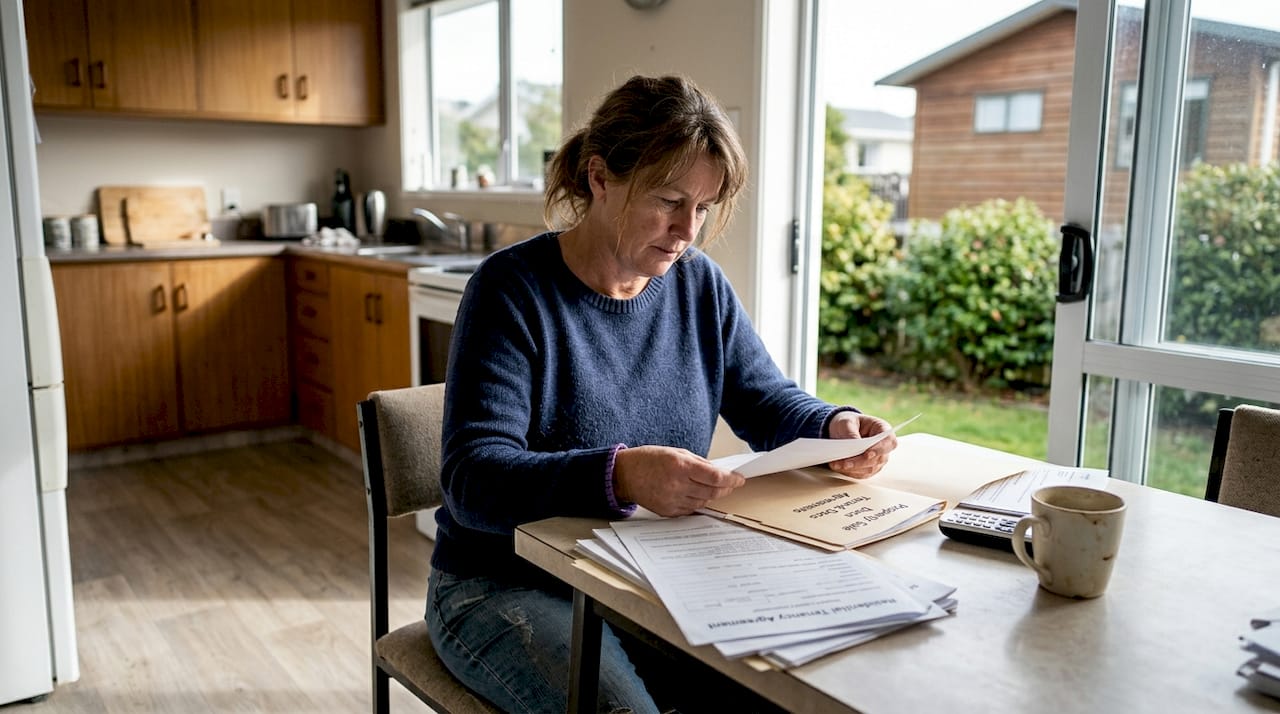
Preparation is everything when selling a rental property. Before you speak to a single buyer, gather the documents that will matter most: tenancy agreements, bond records, maintenance history, rates notices, and any outstanding insurance claims. Buyers will ask questions, and having clear answers builds trust and speeds up the process.
Tax is one area where many landlords get caught off guard. The Bright-line test rules mean that if you sell within 10 years of purchase (for properties acquired after 1 July 2024), any profit may be taxable. The intention rule also applies if you originally bought the property with the purpose of reselling it. You will likely need to complete an IR833 form with your income tax return. Understanding the legal steps for selling property in New Zealand early on protects you from surprises at settlement.
Important: The Bright-line test can apply to rental sales within 10 years of purchase. Check your acquisition date and consult a tax professional before listing.
Here is a quick checklist to work through before you list:
- Tenancy agreements and bond lodgement receipts
- Maintenance and repair records
- Rates and insurance documents
- Mortgage payout figures from your lender
- Any compliance certificates (smoke alarms, insulation, weathertightness)
- Confirmation of your tax position with an accountant
Beyond paperwork, get clear on your priorities. What is the minimum price you will accept? How flexible are you on settlement dates? Are you willing to sell as-is? Knowing your answers before negotiations begin puts you in a much stronger position. Review these property selling tips to sharpen your approach further.
Pro Tip: Sorting your tax paperwork and tenancy documents before you list saves significant time during due diligence and prevents deals from falling over at the last minute.
Should you sell with tenants or vacant?
With the fundamentals in place, your next big choice is whether to sell the property with tenants or after they have moved out. Both approaches have genuine merit, and the right answer depends on your priorities.
Selling with tenants in place suits landlords who want to attract investor buyers. The rental income continues during the sale process, and you avoid the cost of a vacant property. However, arranging viewings can be tricky, and your buyer pool narrows because owner-occupiers are unlikely to purchase a tenanted home. As outlined in this guide on selling a tenanted property, tenanted sales offer income continuity but can limit your audience and complicate inspections.
Selling vacant opens the property to a wider range of buyers, including families and first-home buyers, which can push the price higher. The downside is that you typically need to give tenants at least 90 days’ written notice, and you carry the cost of an empty property during that period.

| Feature | Tenanted | Vacant |
|---|---|---|
| Buyer pool | Investors mainly | Broad (investors and owner-occupiers) |
| Sale speed | Can be faster | Depends on market |
| Income during sale | Yes | No |
| Viewing flexibility | Limited | Full access |
| Price potential | Moderate | Higher potential |
| Notice required | None (if kept tenanted) | Minimum 90 days |
Weigh up the fast property sale pros and cons carefully before committing to either path.
Pro Tip: If speed matters more than achieving the absolute top price, keeping good tenants in place and marketing to investor buyers can eliminate vacancy costs and reduce your time on market significantly.
Best ways to sell your rental property
Once you know your property’s status, the next step is picking the most suitable selling method. There are three main options, and each suits a different set of circumstances.
- Traditional real estate agent: An agent manages marketing, viewings, and negotiations on your behalf. This approach typically achieves a strong market price but takes longer, often 30 to 90 days or more, and involves commission fees of around 2 to 4 percent of the sale price. It suits sellers who are not under time pressure and want maximum exposure.
- Private sale: You handle the marketing and negotiations yourself, saving on commission. A private property sale guide can walk you through the process. Private sales offer speed and no commission but require more effort from you, including legal and contract management.
- Direct or cash sale: You sell directly to a cash buyer or property buying service. Settlement can happen in days rather than months, there are no agent fees, and the process is straightforward. This method suits sellers who prioritise speed, certainty, and simplicity over achieving the highest possible price. Explore the ways to sell without hassle if this appeals to you.
| Method | Speed | Cost | Control | Hassle |
|---|---|---|---|---|
| Agent | 30 to 90+ days | 2 to 4% commission | Low | High |
| Private sale | 2 to 8 weeks | Low | High | Medium |
| Direct/cash sale | Days to 2 weeks | None | Medium | Very low |
If you want to understand why some sellers choose to step away from the traditional process entirely, this article on avoiding traditional real estate explains the reasoning clearly.
Pro Tip: Listing your property as-is, without spending money on cosmetic repairs, attracts cash buyers and investors who expect to do their own work. This can speed up settlement considerably.
How to time, price, and prepare for a quick sale
After settling on your sales approach, fine-tune the execution for the fastest and best outcome. Timing, pricing, and presentation all play a role, even in a quick sale.
Here are the key tactics to focus on:
- Price realistically from the start. Overpricing is the single biggest reason properties sit on the market. Research recent comparable sales in your area and price at or just below market value to generate early interest.
- List at the right time. Spring and early summer tend to attract more buyers in New Zealand, but investor buyers are active year-round. If you are selling to investors, seasonality matters less.
- Minimal presentation pays off. A clean, tidy property photographs better and shows better. You do not need to renovate. A thorough clean, fresh paint in key areas, and tidy gardens can make a meaningful difference without overcapitalising.
- Avoid unnecessary spending. Do not replace kitchens or bathrooms before selling. Buyers rarely pay dollar-for-dollar for upgrades, and cash buyers often prefer to make their own choices.
- Set clear expectations in negotiations. If you need a fast settlement, say so upfront. Buyers who cannot meet your timeline are not the right buyers, and clarity early avoids wasted time.
Properties sold as-is can settle in days rather than weeks, particularly when dealing with cash buyers who do not require bank financing. This is a significant advantage when your circumstances demand speed. The step-by-step fast sale guide walks through the full process if you want a detailed roadmap.
For negotiation, know your walk-away number before any offer arrives. If an offer is close but not quite there, a small concession on settlement date or chattels can close the gap without reducing your price. Review these essential property selling tips for additional negotiation guidance specific to the New Zealand market.
The truth about fast rental sales in New Zealand
Here is what we have seen time and again: most landlords overthink the wrong things. They spend weeks debating whether to repaint the lounge or replace the carpet, while the real cost is the mortgage payments, rates, and insurance ticking away on an unsold property.
Conventional wisdom says to maximise your sale price above all else. But for landlords selling under pressure, whether due to financial stress, a difficult tenancy, or a life change, the real goal is a trade-off between simplicity and outcome. A certain, fast settlement at a fair price is almost always worth more than a theoretical top price that takes six months to achieve, if it arrives at all.
The sellers who come out ahead are the ones who make quick decisions, have their paperwork in order, and are clear about their priorities from day one. They do not chase perfection. They choose certainty. As we often say, for most landlords, the real win is not the highest bidder, but a certain, fast, and stress-free settlement. Understanding the fast property sale reality helps you set the right expectations before you start.
Get a fast, fair offer for your rental property
If you have read this far and realised that speed, simplicity, and certainty matter more to you than squeezing every last dollar from a lengthy sale process, easySale.co.nz is built for exactly that situation.
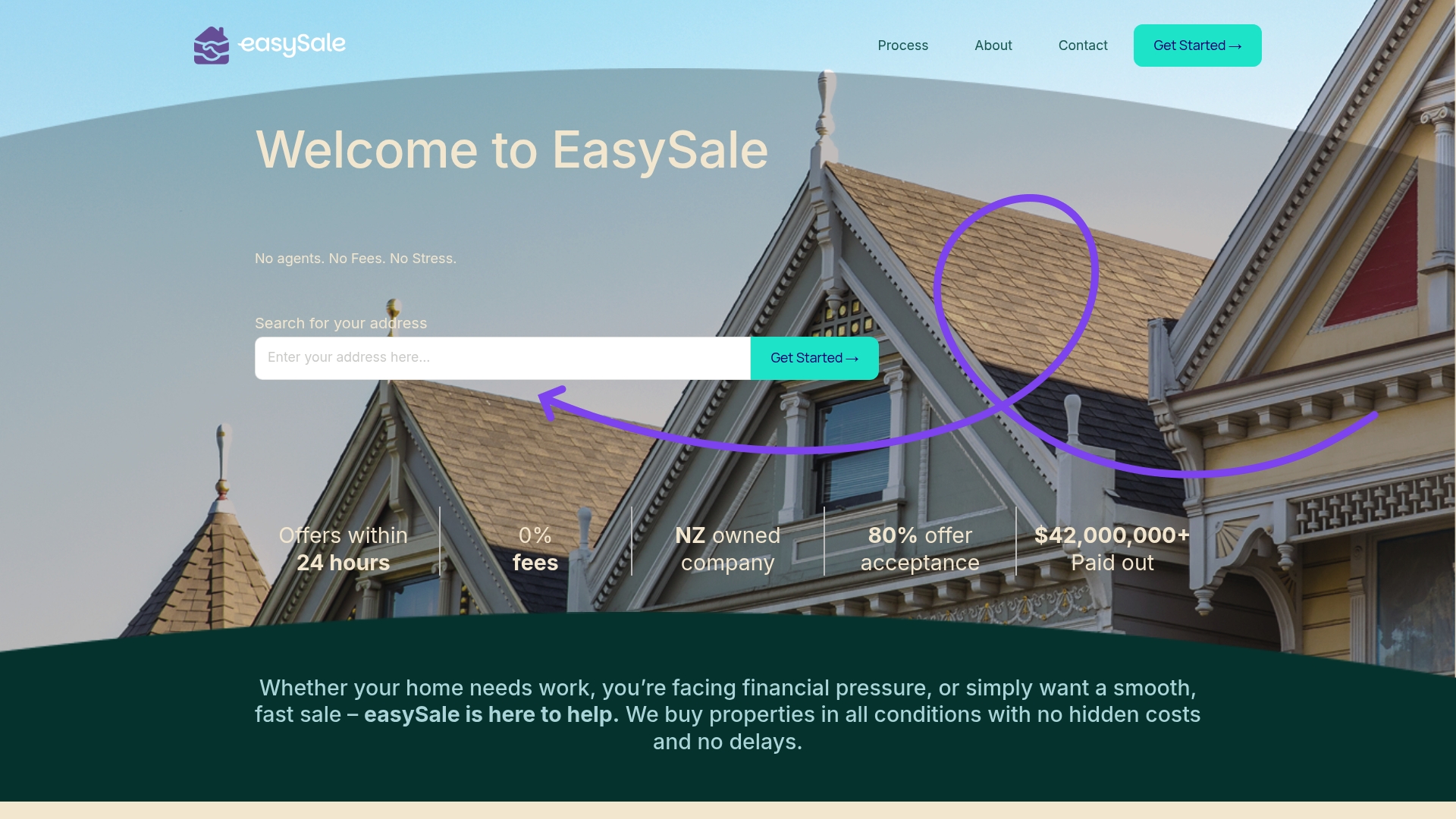
We buy rental properties across New Zealand in any condition, with no agent fees, no open homes, and no drawn-out negotiations. You sell your house fast by submitting your property details, receiving a no-obligation cash offer, and settling on a timeline that suits you. Whether you prefer a private house sale or a direct cash transaction, easySale makes the process straightforward and confidential. Reach out today for an obligation-free conversation about your property.
Frequently asked questions
What tax forms do I need when selling my rental property?
You must complete the IR833 form and report the sale on your income tax return if the Bright-line test or intention rule applies to your situation.
How long must I give tenants notice before selling vacant?
You will generally need to give tenants at least 90 days’ written notice to end the tenancy if you intend to sell the property vacant.
What’s the fastest way to sell a rental property in New Zealand?
A private or direct cash sale can be completed in days, with far less paperwork and fewer delays compared to a traditional agent-managed sale.
Is it better to sell with tenants or vacant?
Selling with tenants suits investors wanting steady rental income, while vacant sales attract more buyers but require longer notice periods and carry vacancy costs during the process.
Do I need to fix everything before selling my rental house?
No. Many buyers, especially cash buyers, will purchase properties as-is without repairs, saving you both time and money before settlement.
Recommended
